About · Research gallery
Research gallery
Photographs and video from the lab's field research. Click any image to enlarge.
Estonia Bioremediation project
In 1989, recombinant phenol-degrading bacteria were released into soil near Kohtla-Järve, Estonia — one of the earliest deliberate environmental releases of genetically engineered microbes, intended to help remediate heavy industrial phenol pollution. More than three decades later, those engineered genes may still persist in the environment, maintained by horizontal gene transfer under continued pollutant selection.
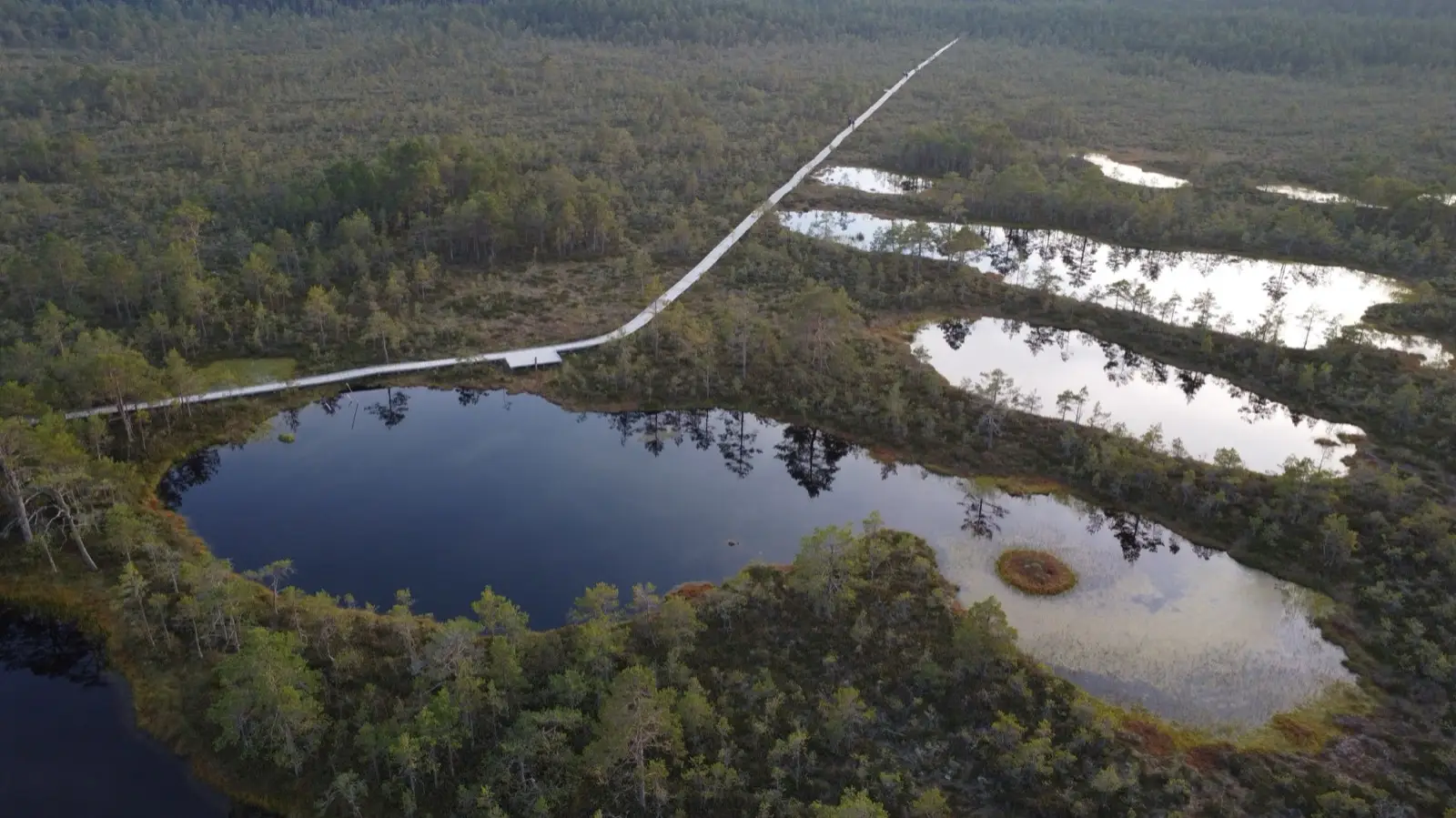
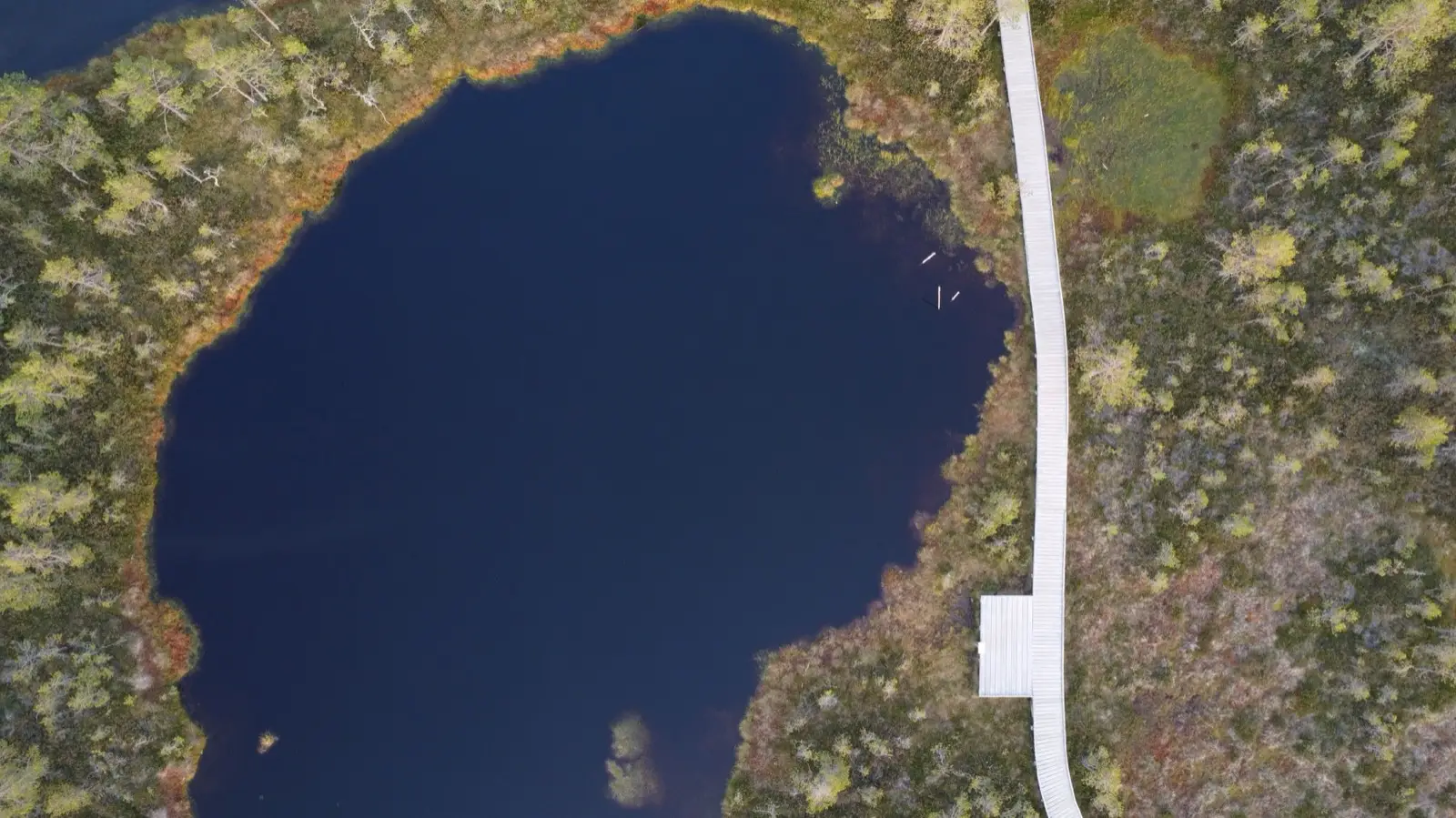
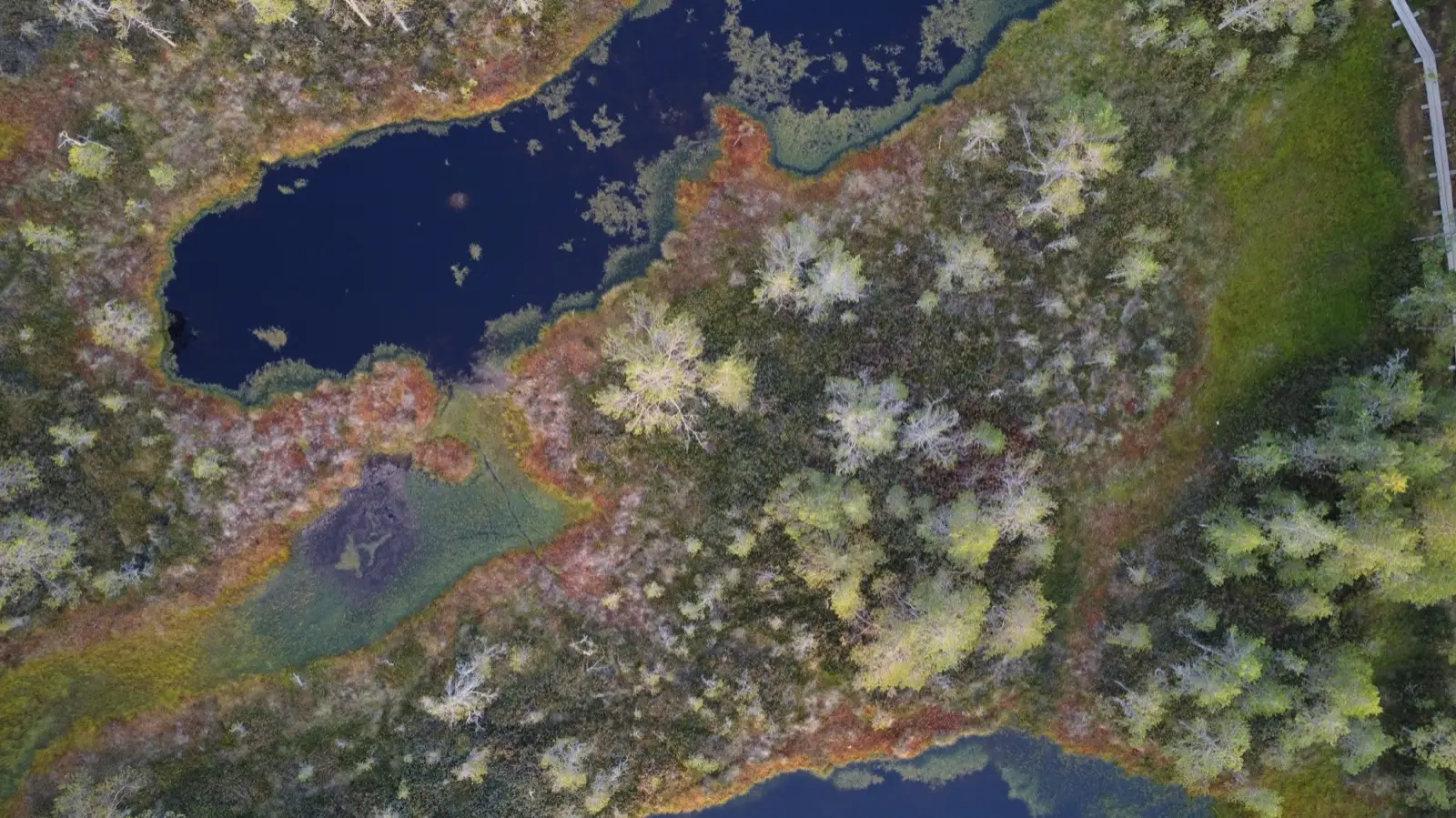
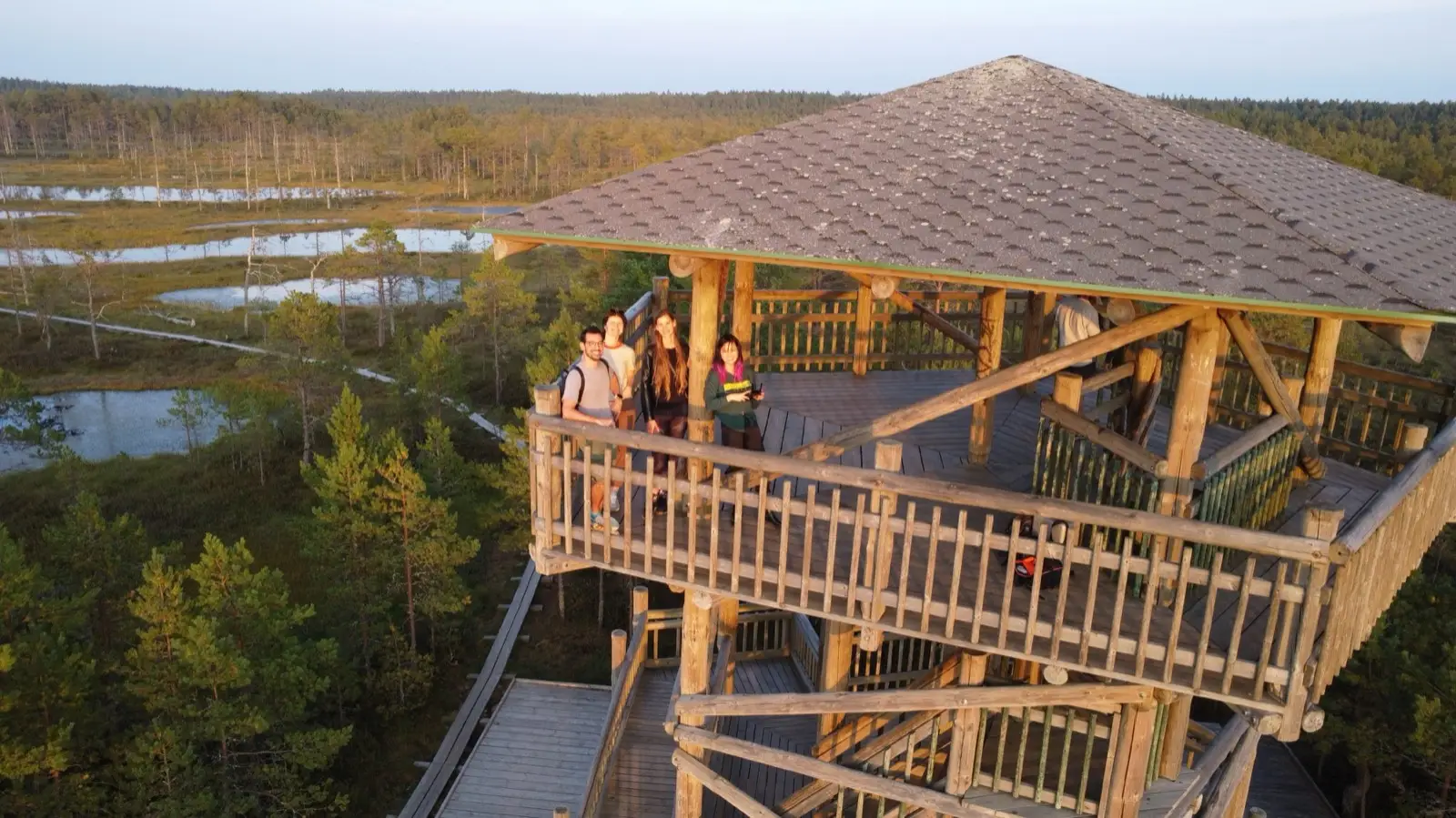
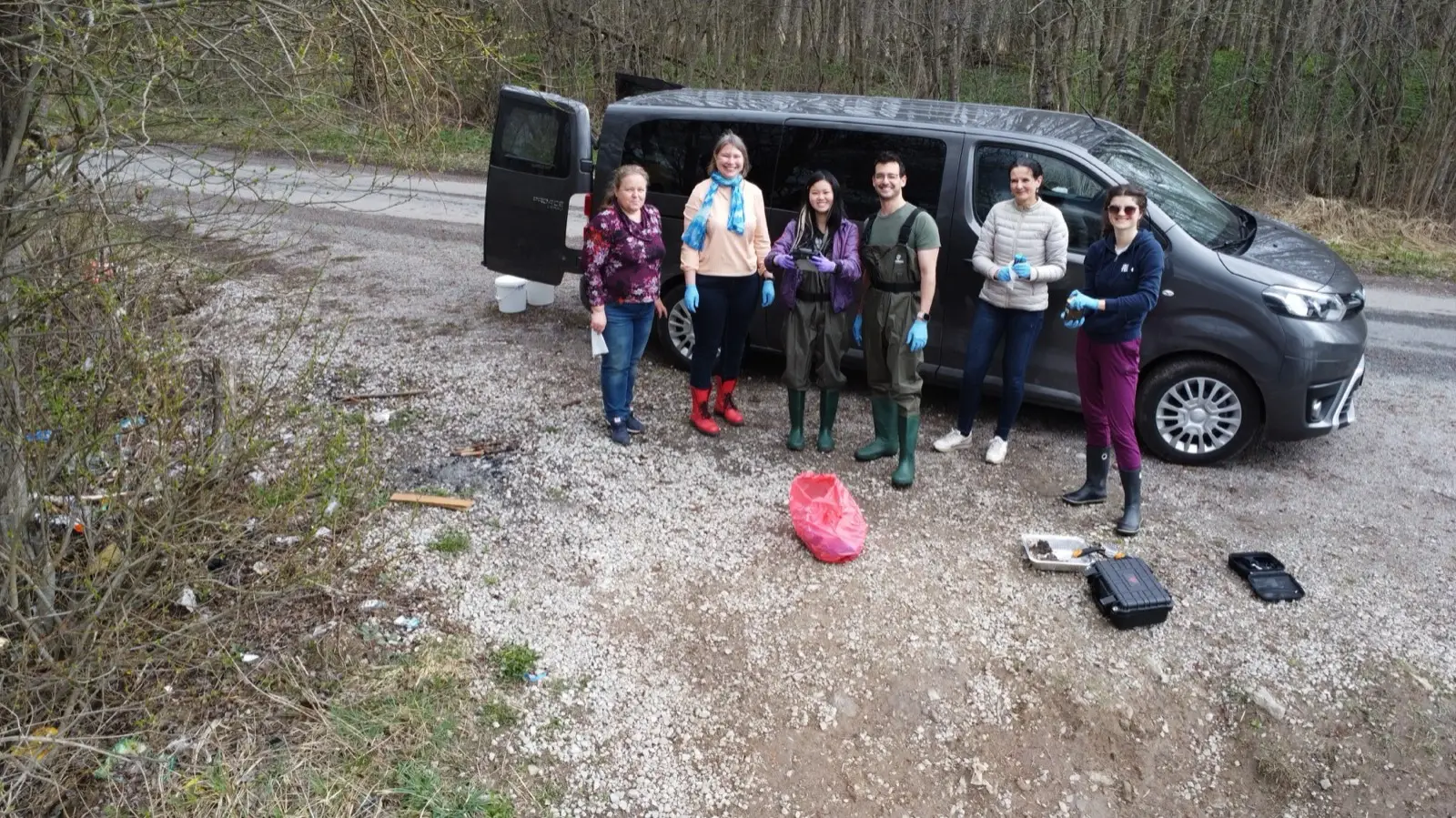
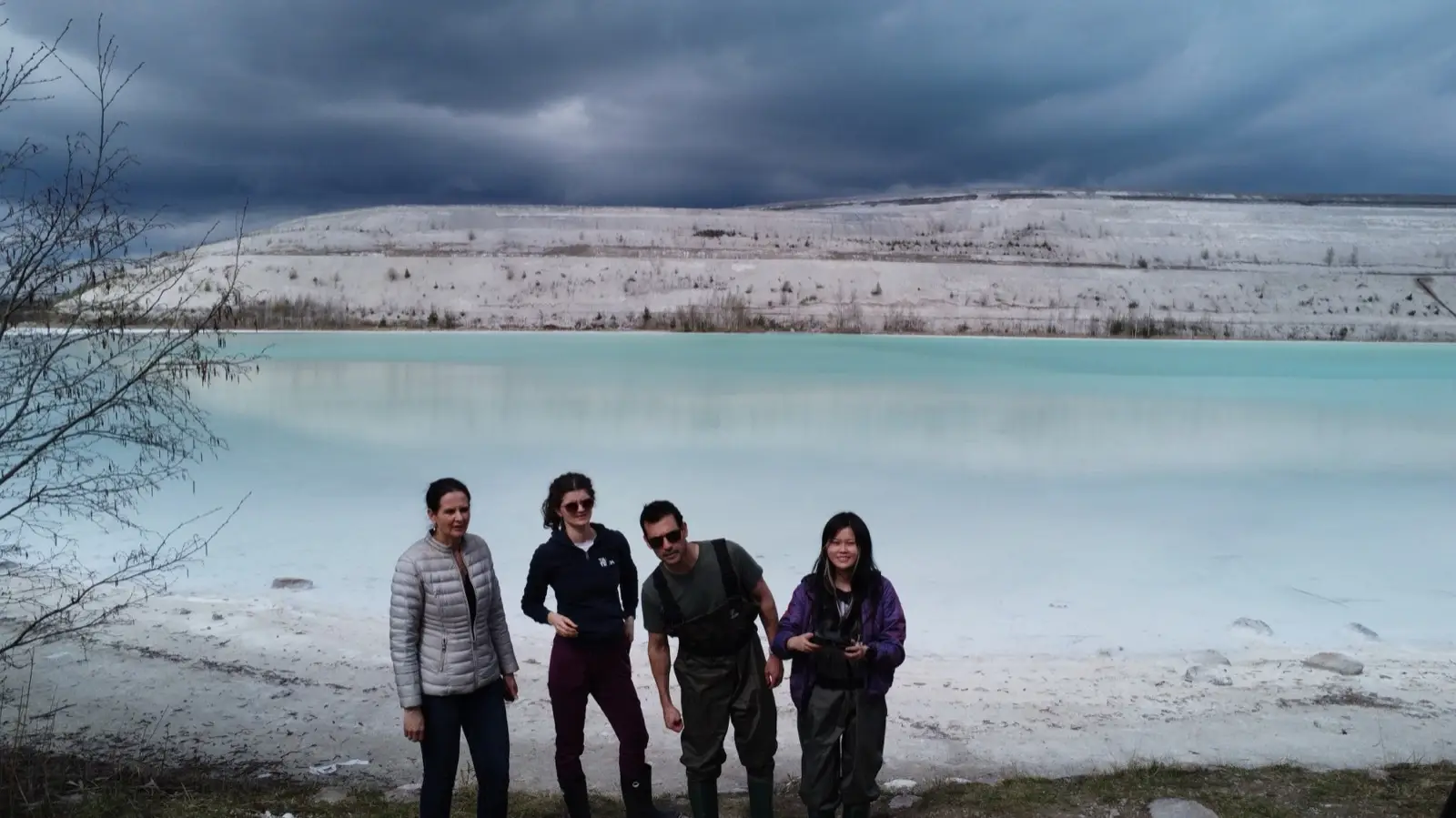
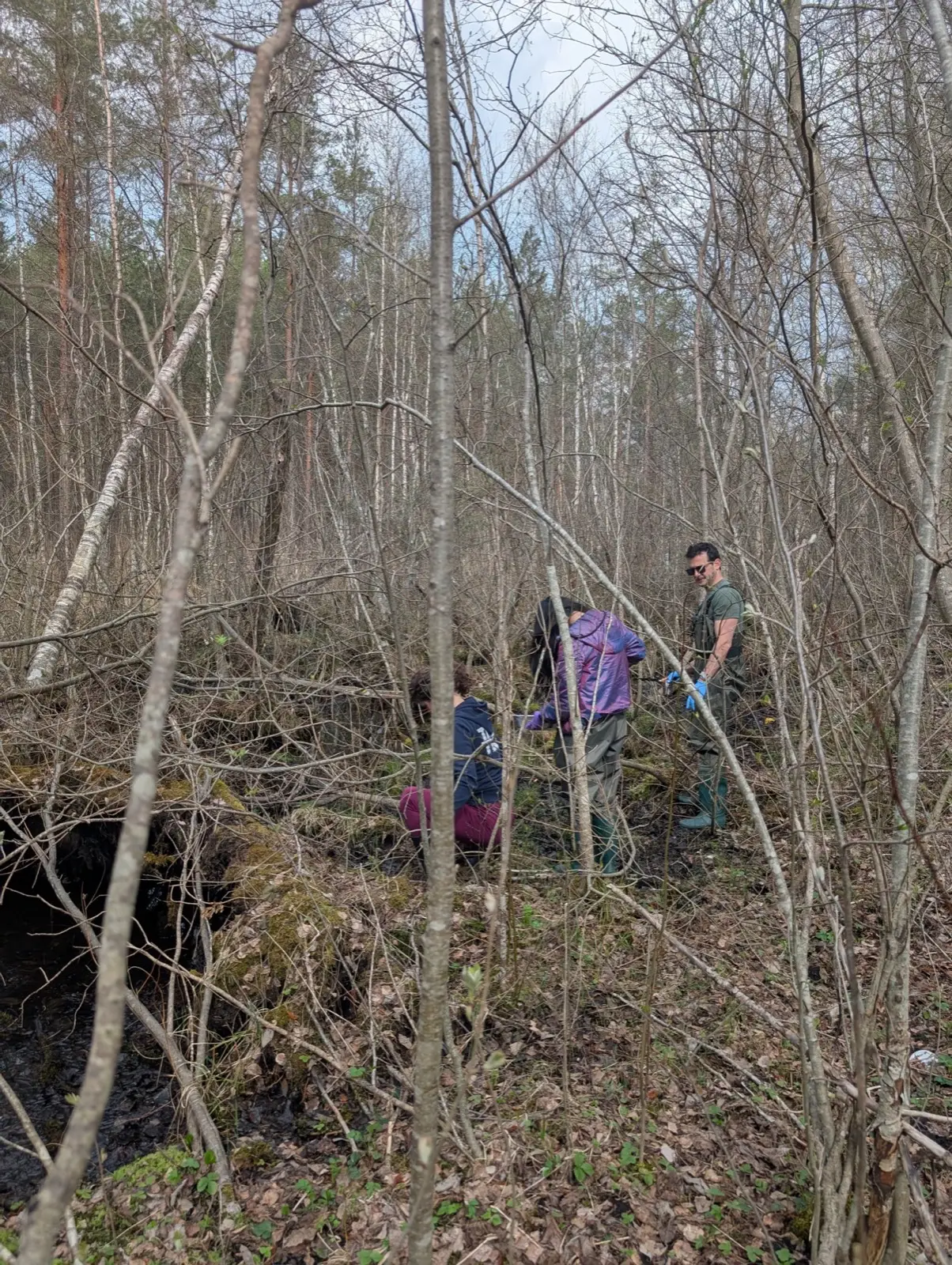
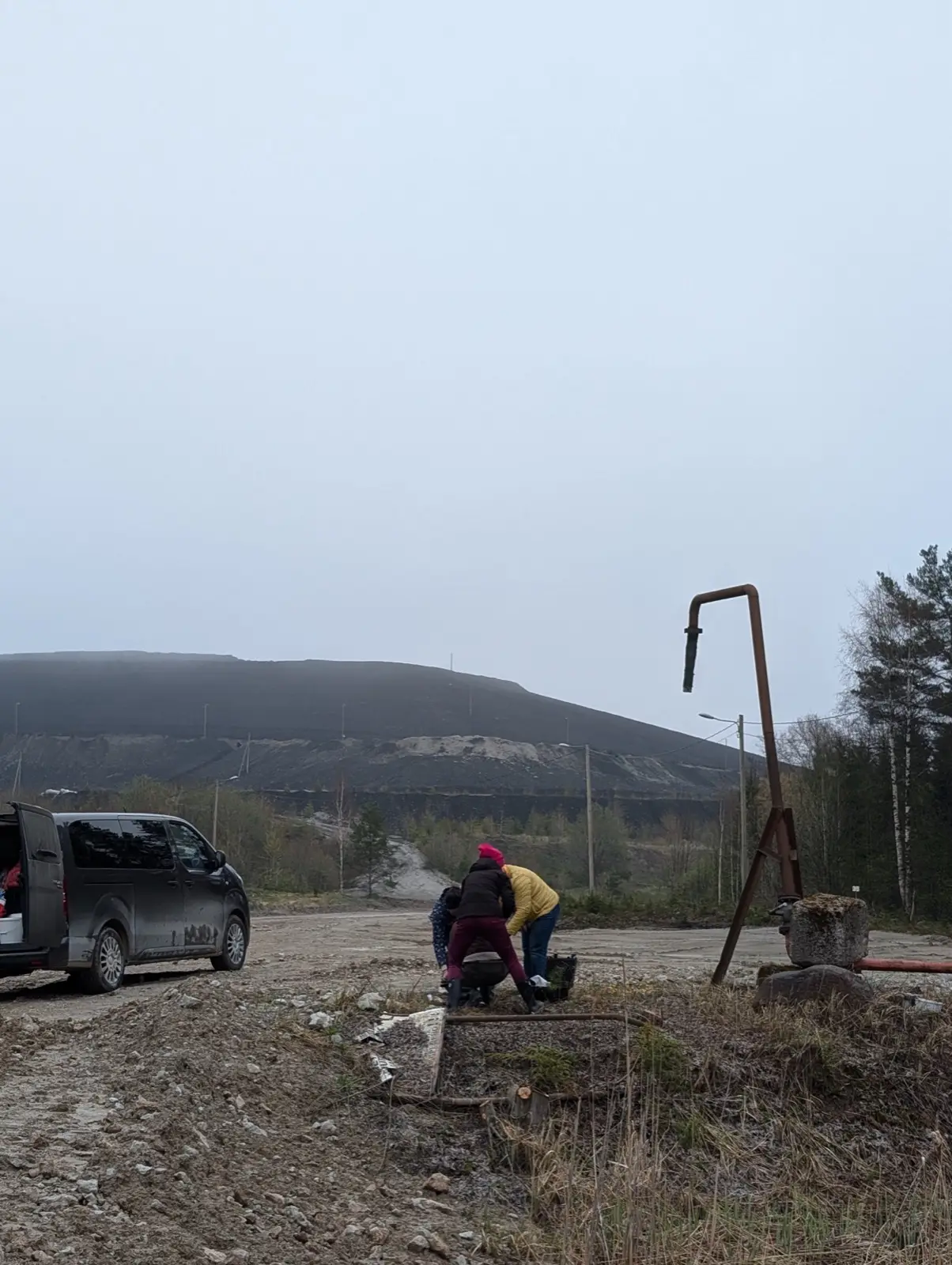
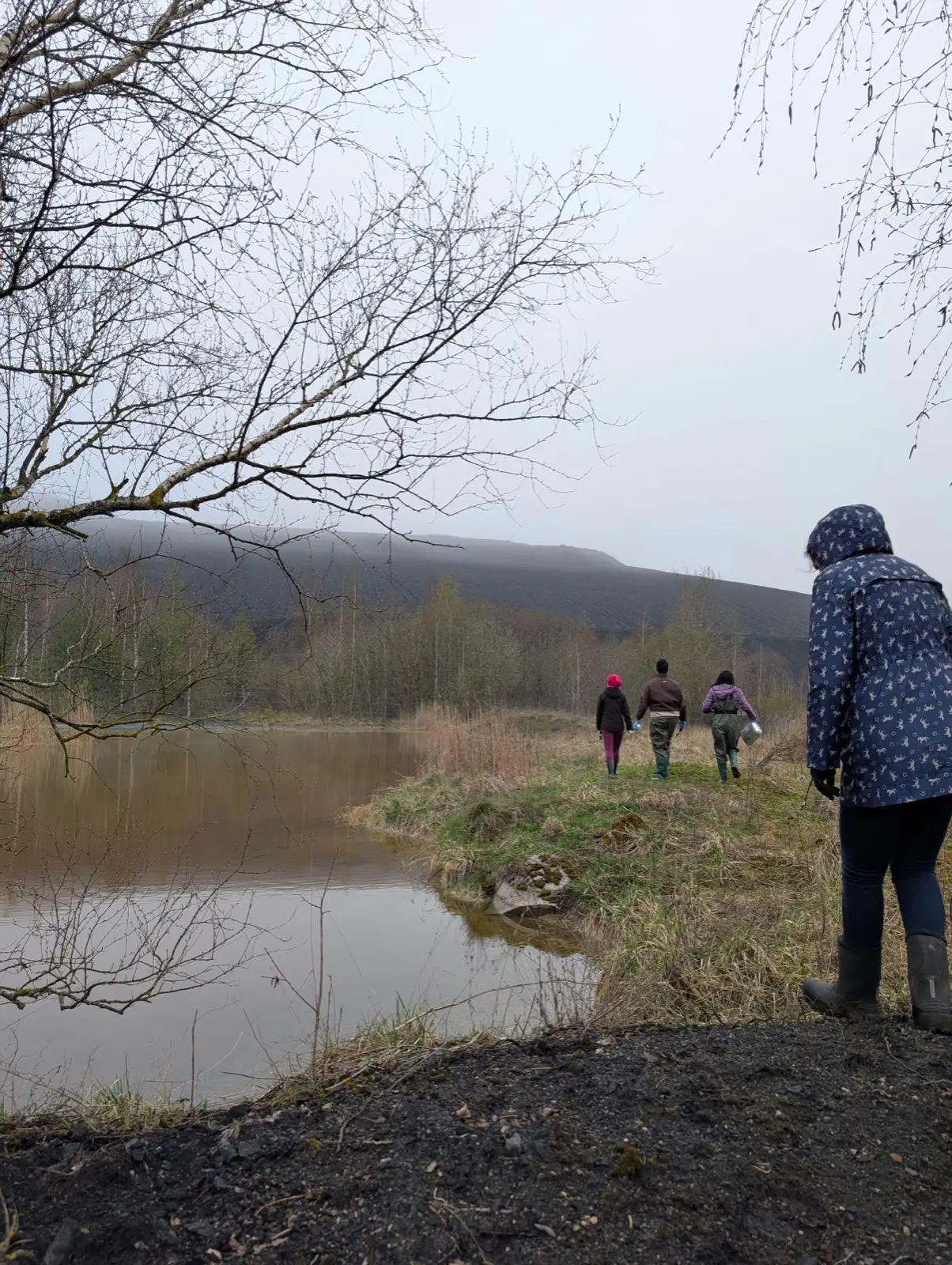
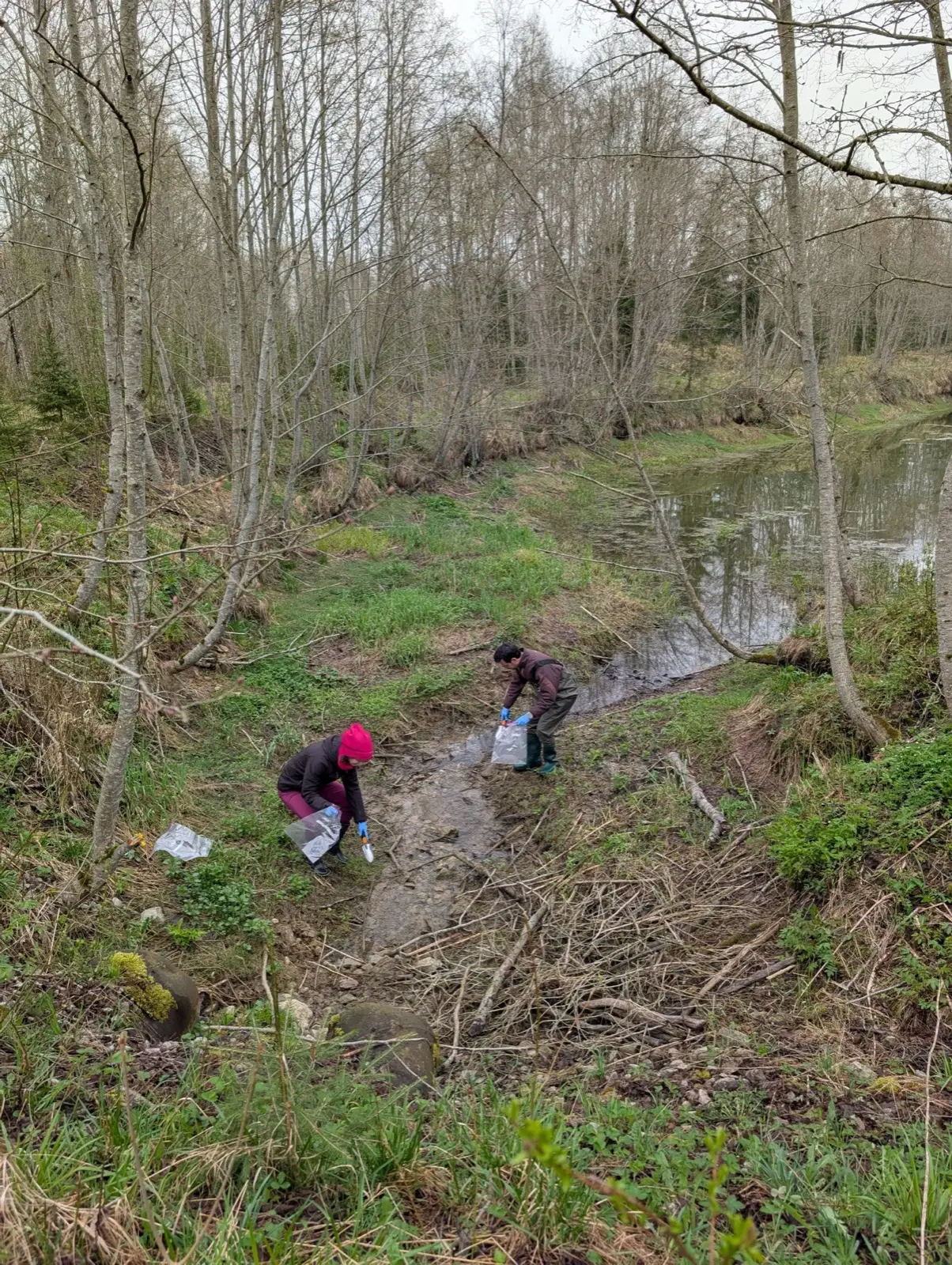
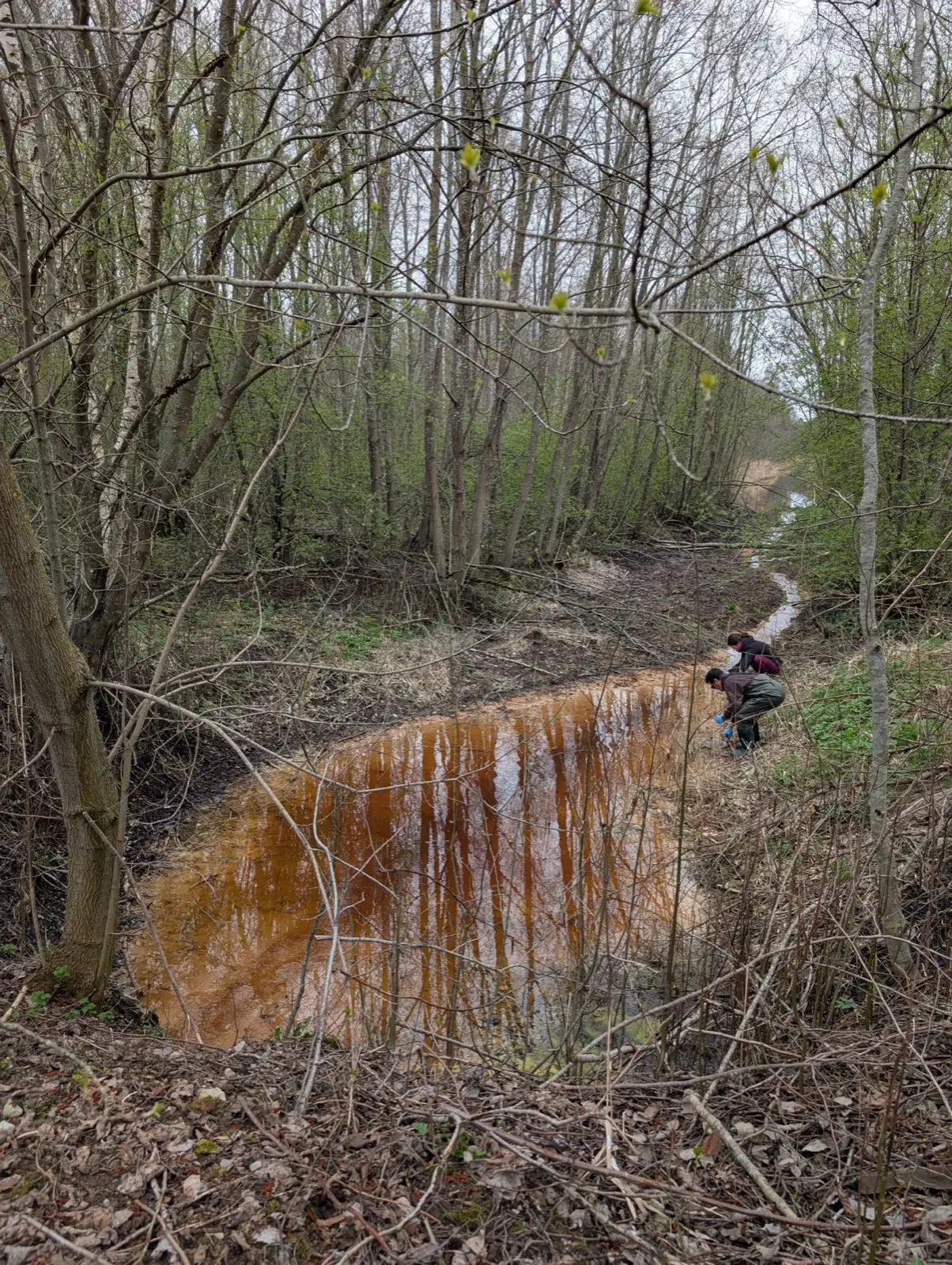
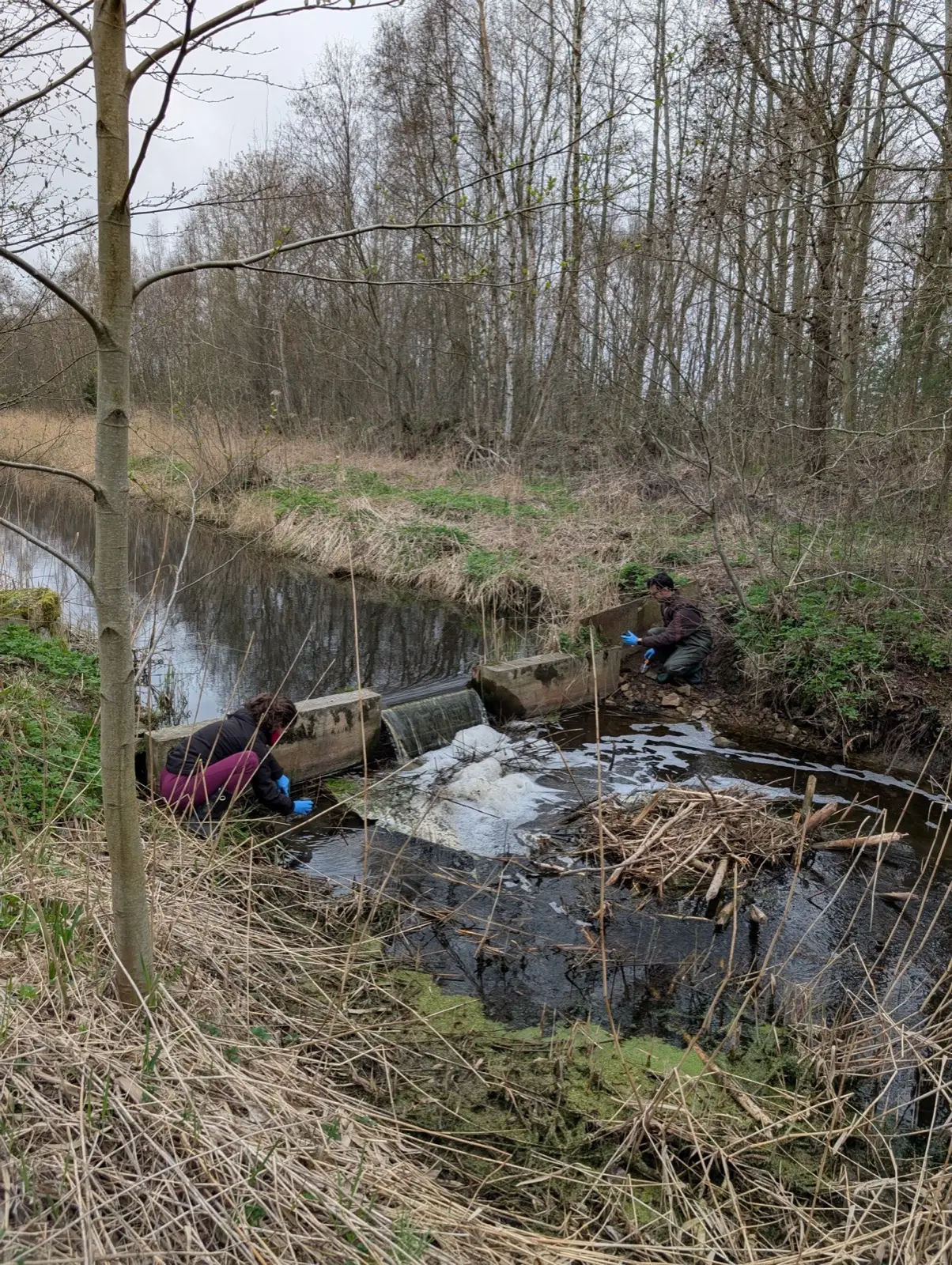
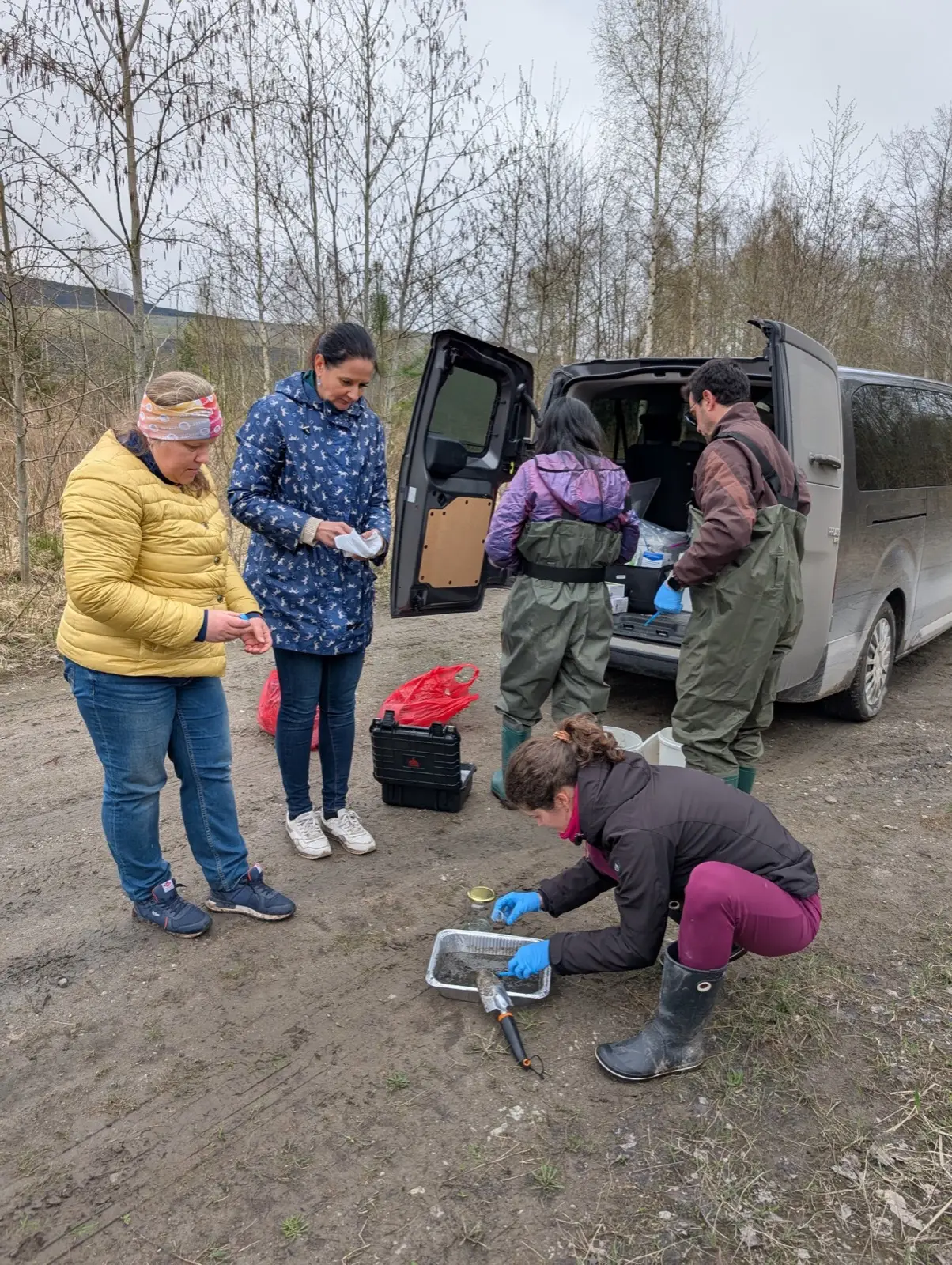
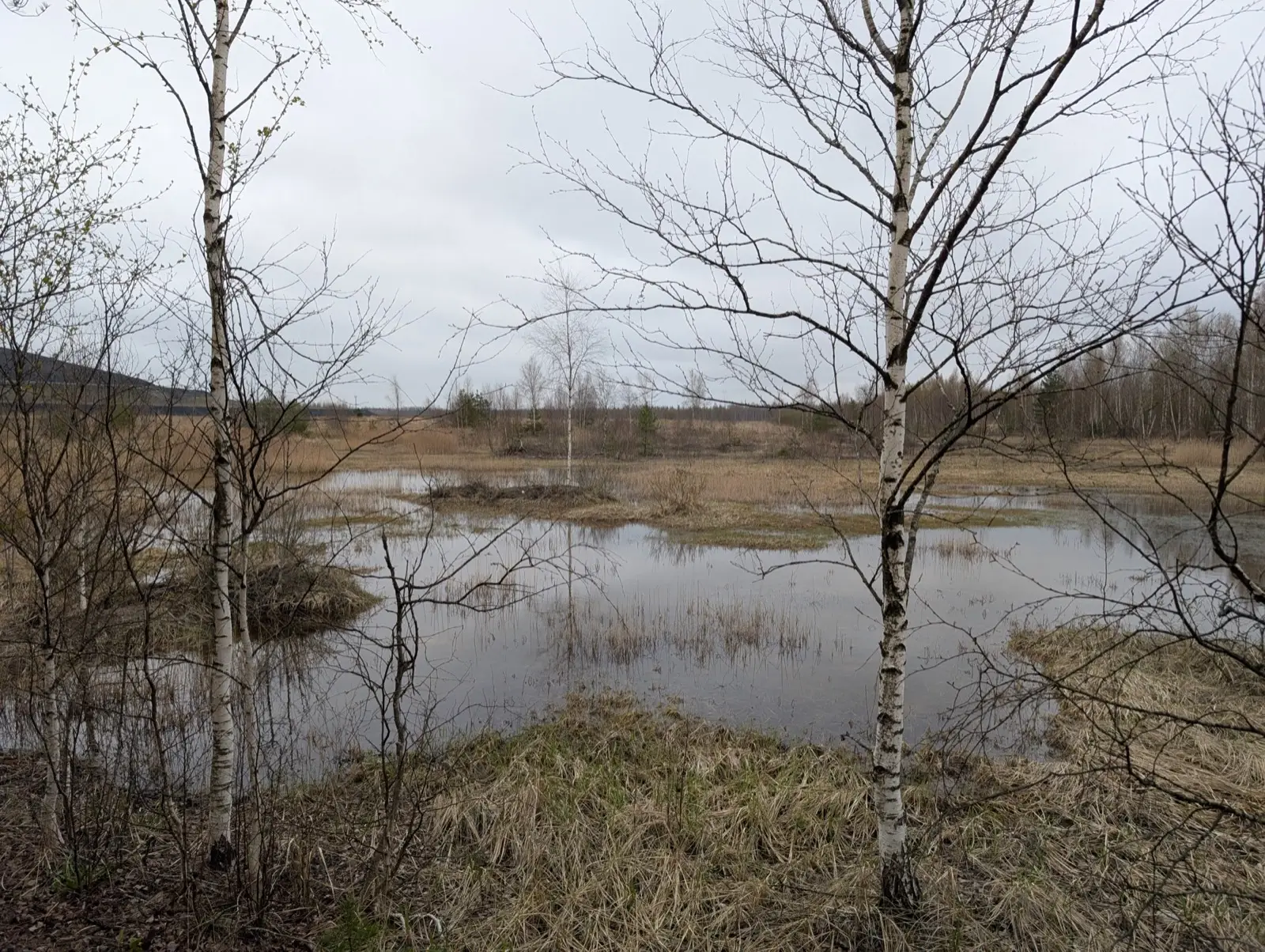
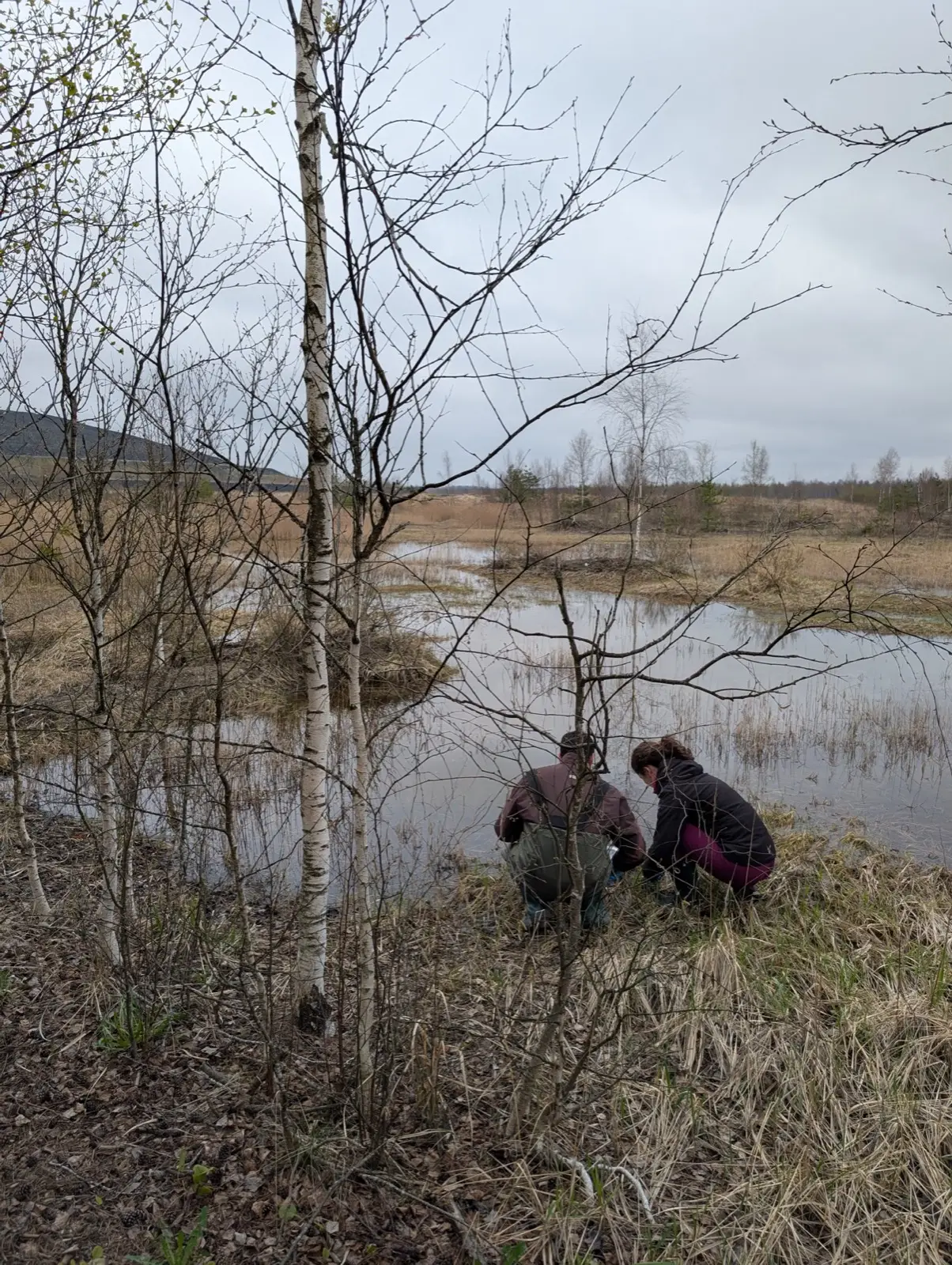
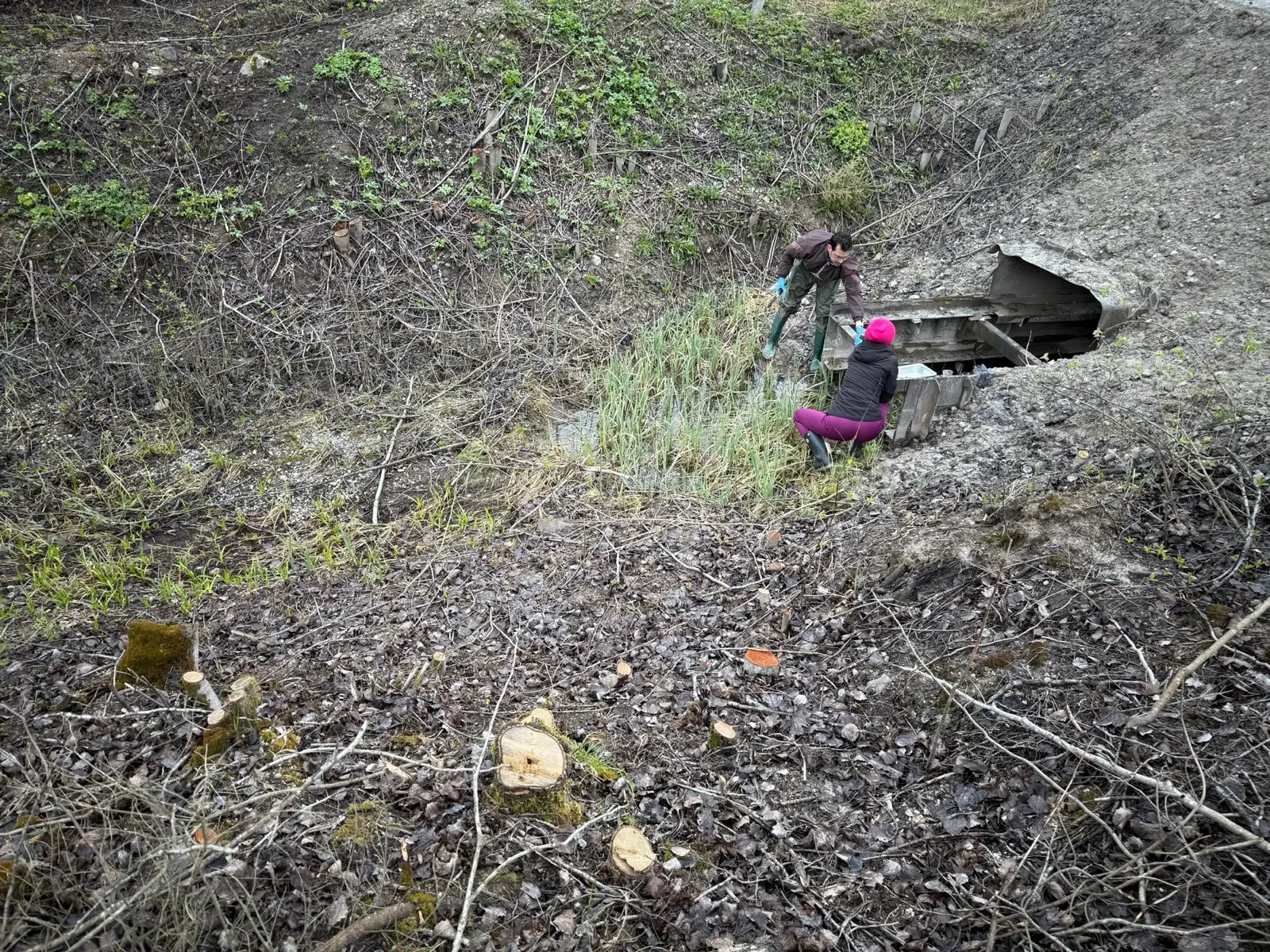
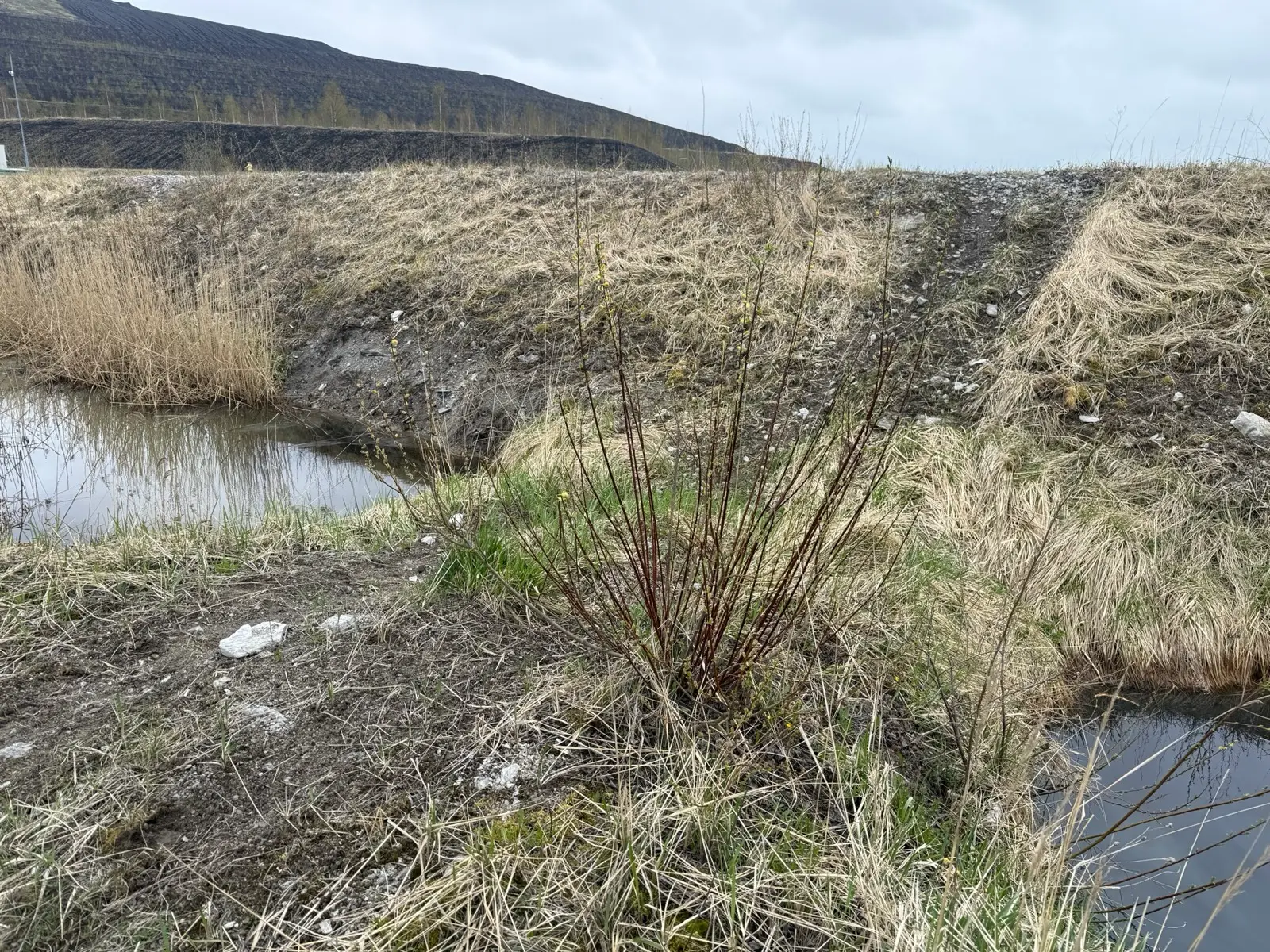
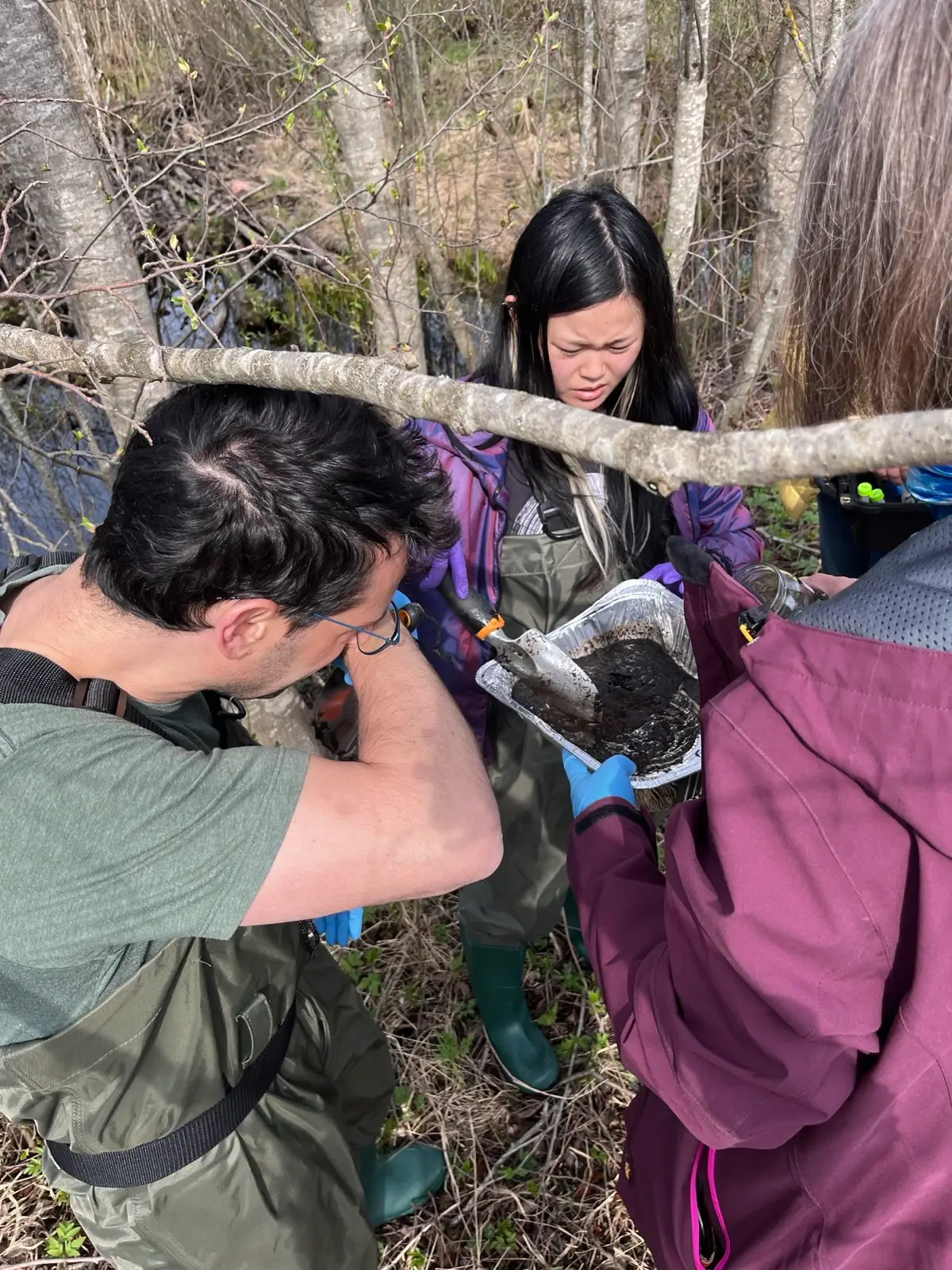
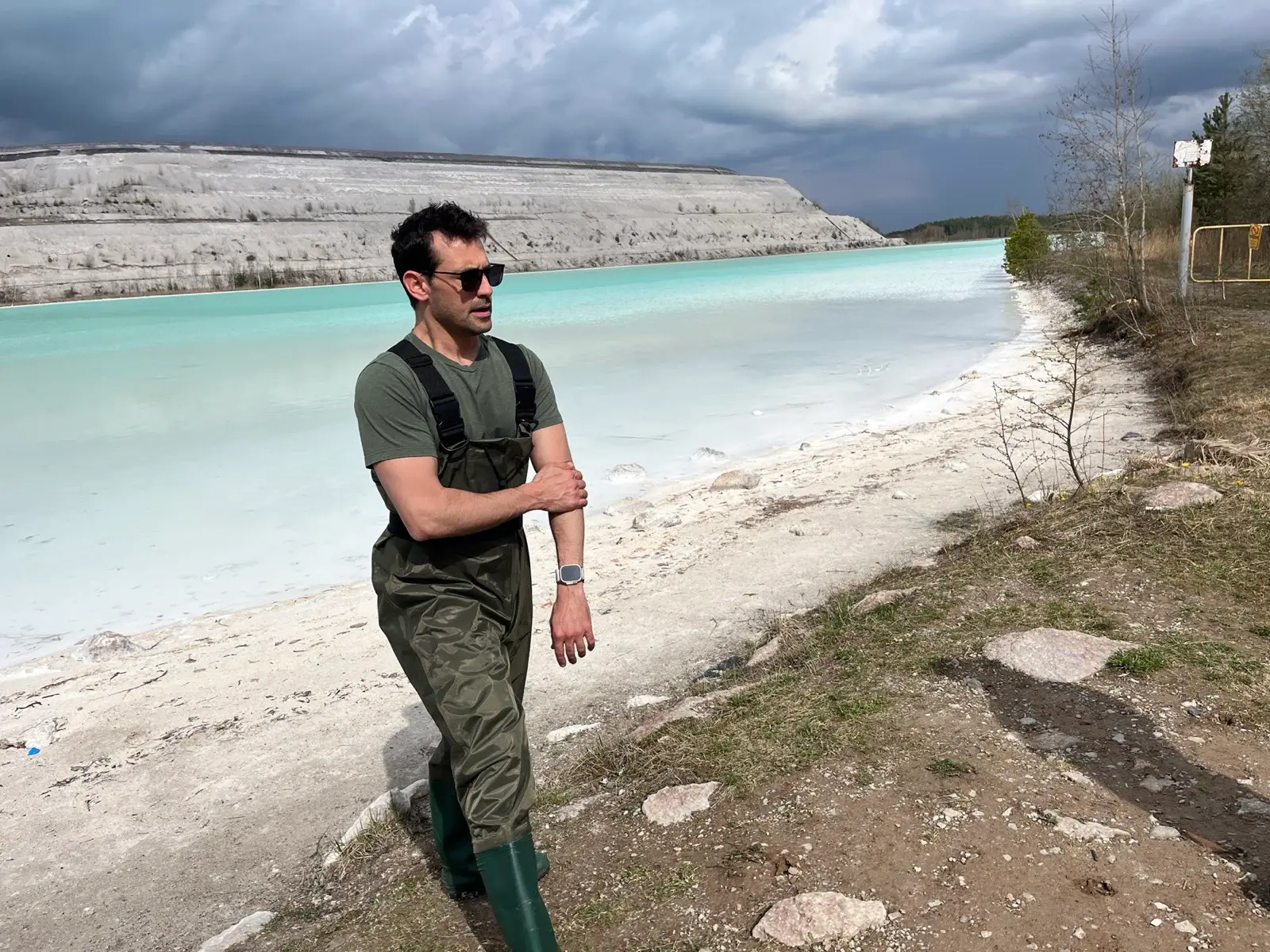
In spring 2025, the lab travelled to the Estonian peatlands to find out — sampling the site to track whether the recombinant genes are still there, and what a multi-decade release can teach us about deploying engineered organisms responsibly. It's part of our Engineering × Ecology work on engineered microbes in the field.
The photographs and video below are from that fieldwork.
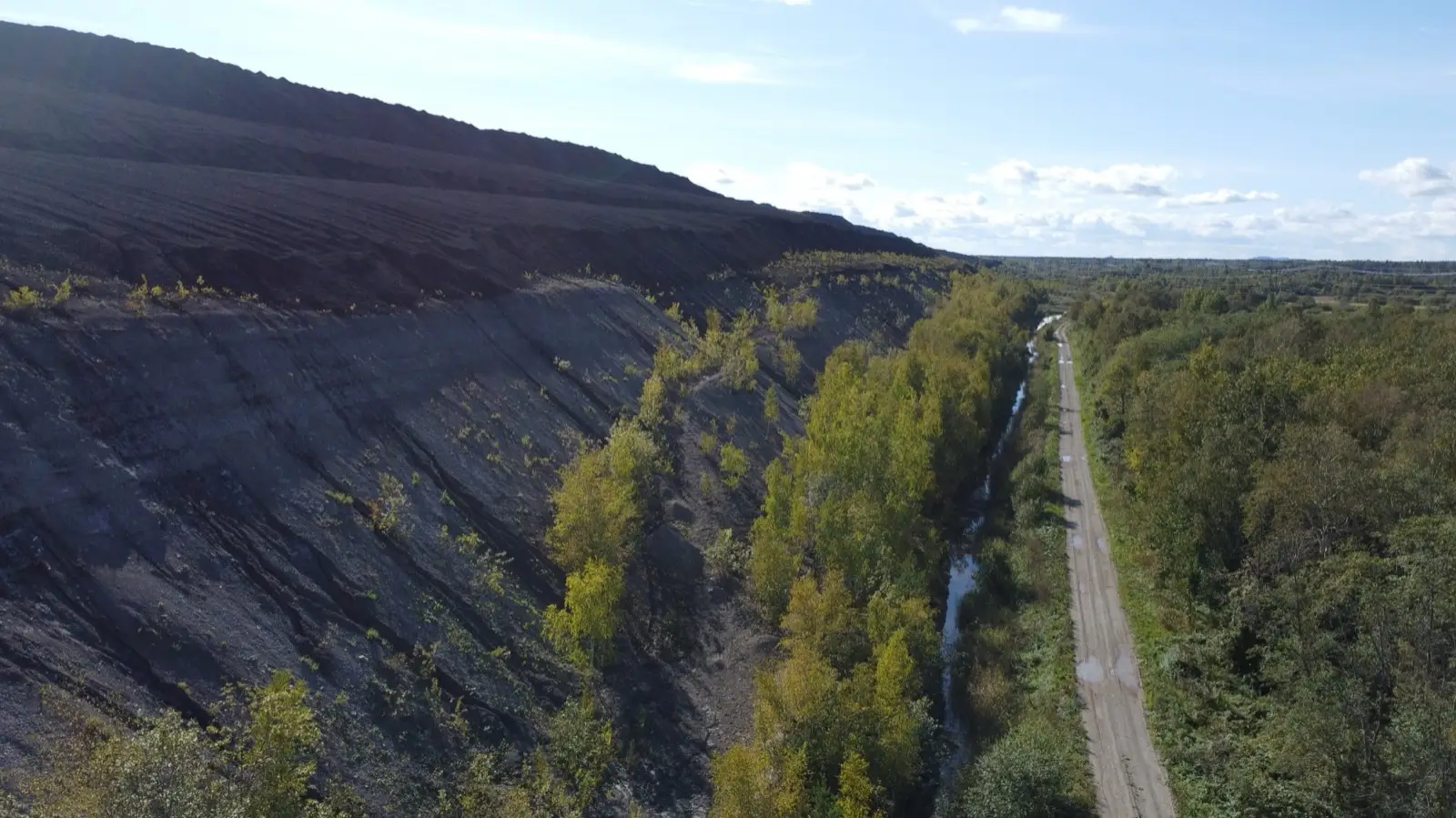
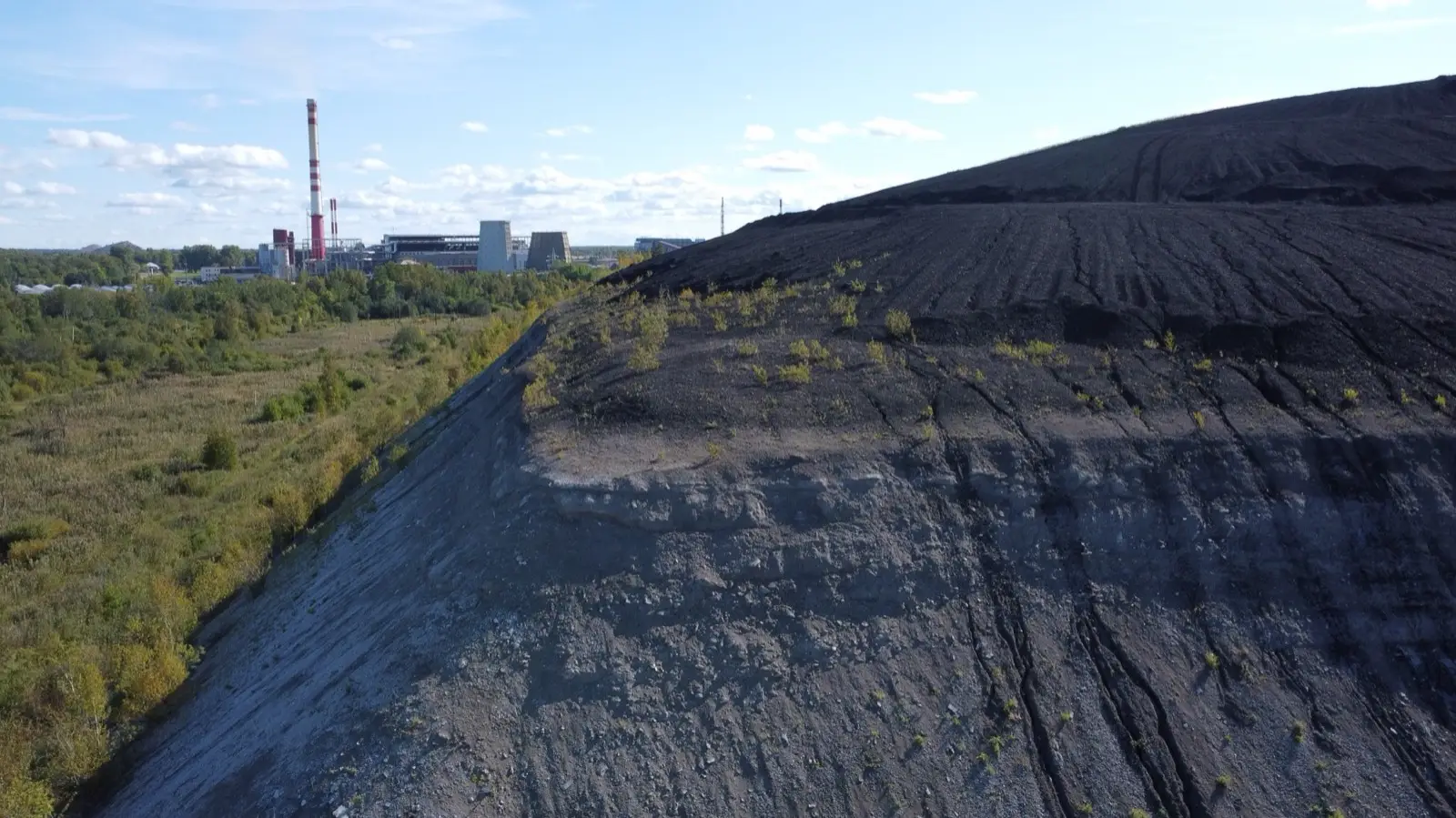
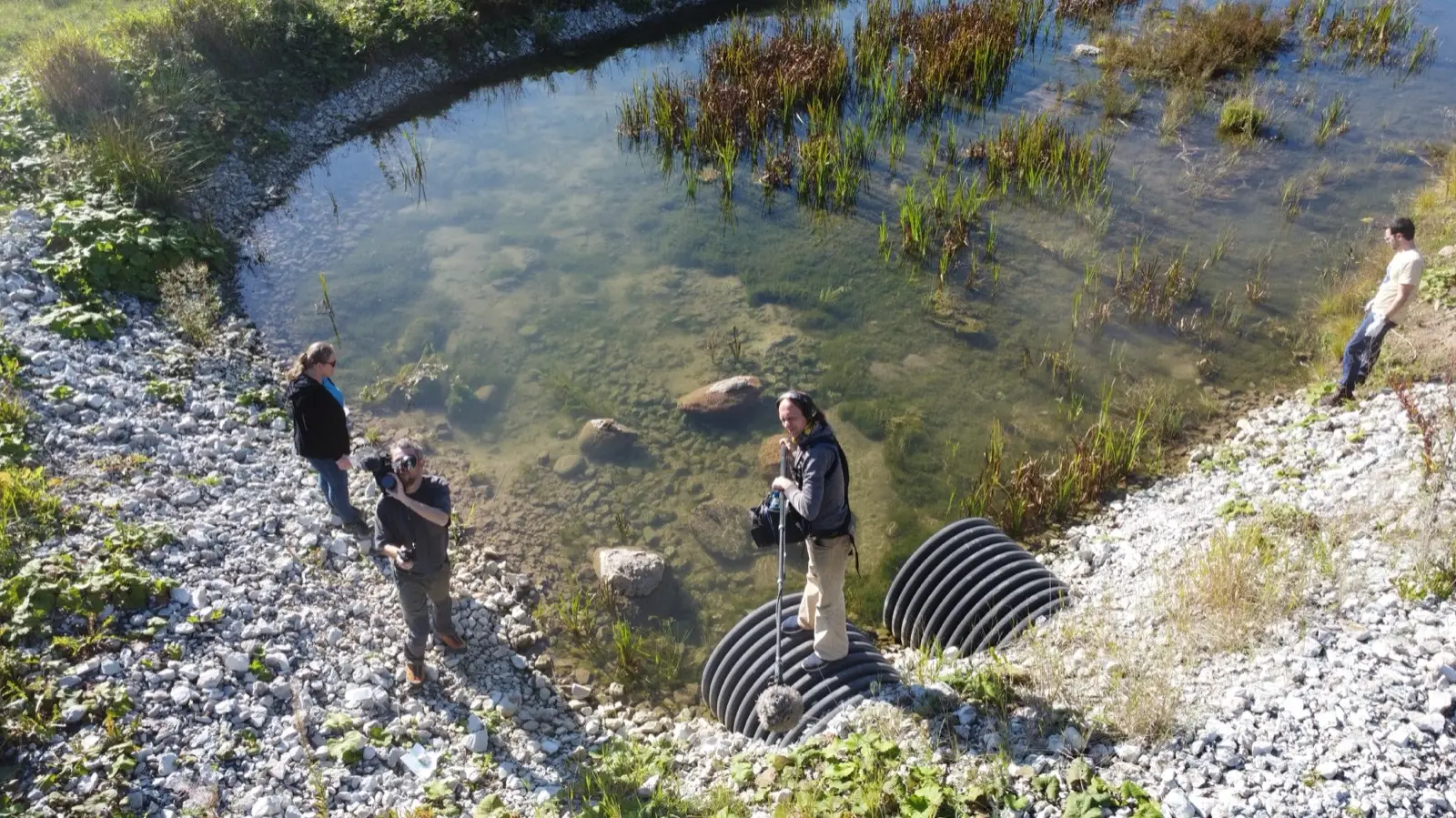
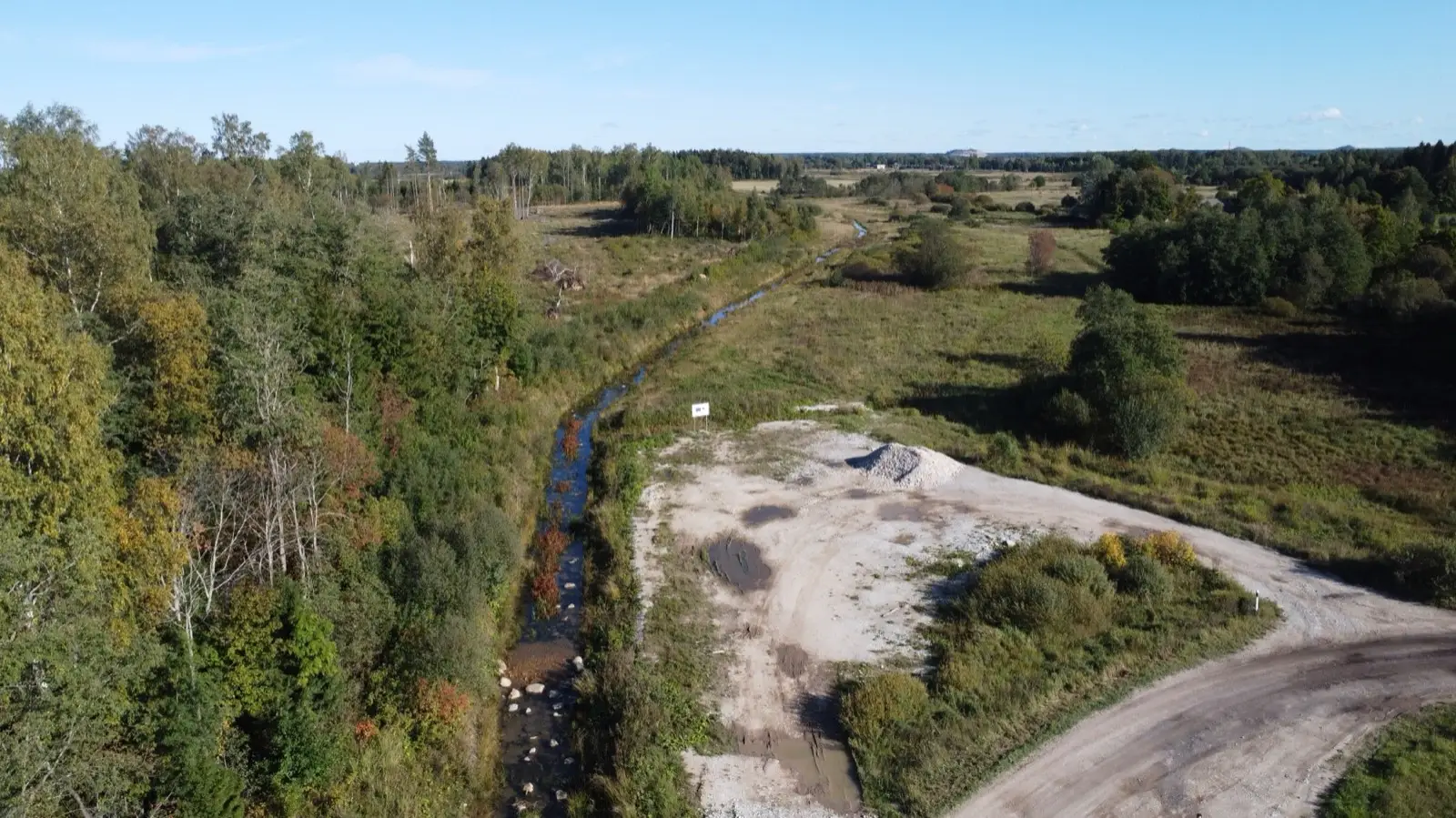
Estonia field study
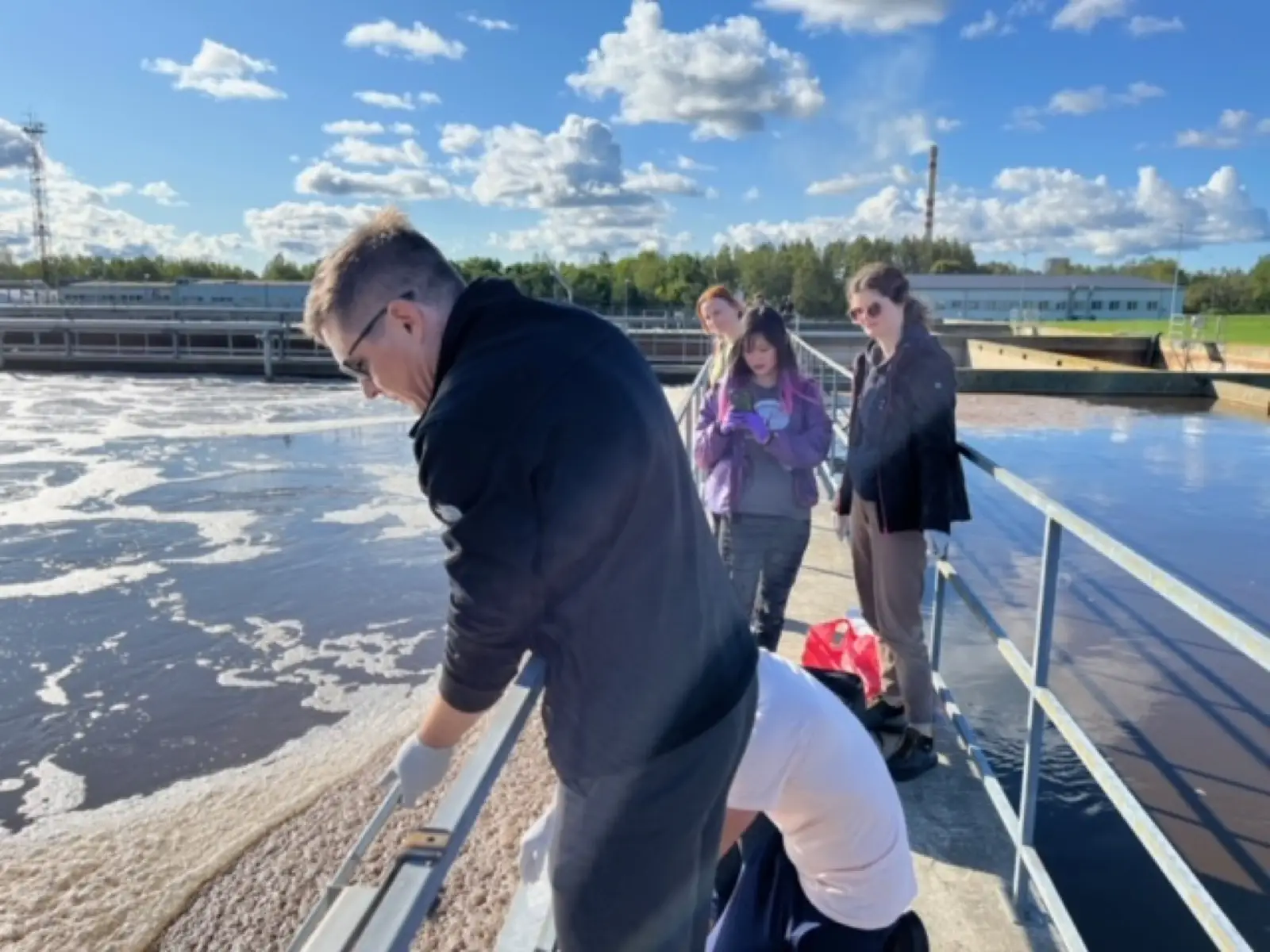
Spring 2025 fieldwork in the peatlands of Estonia — sampling the long-term fate of a decades-old environmental release, part of our Engineering × Ecology work on engineered organisms in the wild.
Video
Photographs and video courtesy of Victoria Chen, Niko McCarty, Anu Printsmann, and Alina Rekena.